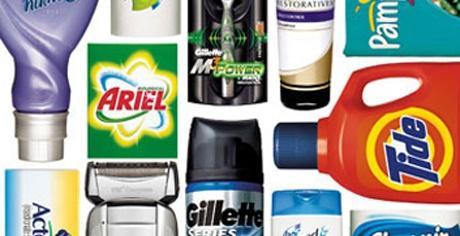
Supermarkets under fire over ‘dodgy’ discounts

Consumer group Which? is asking for presidency action over ‘dodgy discounts’ and ‘misleading multibuys’ despite supermarkets insisting that mistakes are right down to human error.

An investigation during which? claims that lots of deals across all four major supermarkets, in addition to online retailer Ocado, that either didn’t offer customers a saving or ended up costing them more. Included is an Asda offer for Innocent’s pure fruit smoothie which the supermarket is asserted to have raised the regular price from £2 to £2.78 because it went on a two for £5 offer.

Supermarkets also are offering discounts on products that were sold on the higher price for an issue of days before happening offer for weeks. Included is a Sainsbury’s deal for Carex handwash that was available at the next price of £1.80 for seven days before it was wear offer at 90p for 84 days.

Ocado, Morrisons and Tesco were also accused of using similar practices on discount products. Which? says these break Office for Fair Trading rules that supermarkets agreed to a year ago and is looking at the government to update its guidance on special offers and enforce the guidelines.

“The problem with a majority of these offers is that the offer price can effectively becomes the ‘normal’ price instead of a unique one,” says Which?

“With consumers hit hard by rising food prices, it’s unacceptable that we’re still finding issues of special offers. The supermarkets’ pricing systems are so confusing that it’s hard for consumers to inform if they’re getting a great deallots.”

However, retailers insist that errors in discounting and multibuys aren’t deliberate attempts to mislead consumers but honest mistakes. The British Retail Consortium says that with the massive choice of discounts available it isn’t surprising that errors occur.

It points to figures that 35 per cent of all food was bought on promotion in October and that last month marked the sixth consecutive month of reductions in retail prices as signs that buyers have become “good value”.

“Retailers are committed to giving customers a lot and in a really competitive market they work flat out to give the keenest promotions and the proper value.

“Across the tens of thousands of promotions available each day, regrettably, occasional errors do slip through. Retailers work in a short time to rectify these mistakes whenever they’re found,” says the BRC.

BA uses new tech for outside campaign

British Airways (BA) has created an outside campaign using new technology to engage with aircraft flying overhead.

british-airways-ad-2013-460

BA is claiming the technology for the ‘Magic of Flying’ campaign is an “advertising first”.

The advert, developed by the airline’s global creative technology Ogilvy 12th Floor, aims to remind people how magical flying could be.

The ad can be found on digital billboards in Chiswick and Piccadilly and have interaction with aircraft within the sky because of custom built surveillance technology. The system tracks the aircraft and interrupts the digital display just because it passes over the positioning, revealing a twin of a toddler pointing on the plane, accompanied by its flight number and destination it’s returning from.

For example the screen may read: ‘It’s the BA0234 from Los Angeles’. This will likely then be followed by a message relevant to that flight, akin to ‘Fly the brand new A380 to La. ba.com/lookup’ or information at the lowest available fare or the temperature on the destination.

The destinations may also be updated immediately looking on changing focus routes for the airline. The ad placement and execution is being managed by Clear Channel UK’s premium digital brand Storm.


British Airways head of selling Abigail Comber says: “This is a primary, not only for British Airways but for UK advertising. We are hoping it should create an actual ‘wow’ and other people shall be reminded how amazing flying is and the way accessible the sector may be.”

BA is currently reviewing its lead agency roster with a choice expected soon.

Parent company IAG has just raised its profit target by 12.5 per cent for 2015 according to strong projections for BA.

ITV posts 11% spike in ad revenue

ITV has underlined growing confidence within the TV ad market, posting an 11 per cent increase in ad revenue within the third quarter with total revenues of £1.7bn for the nine months to 30 September, representing a 6 per cent increase year on year. 

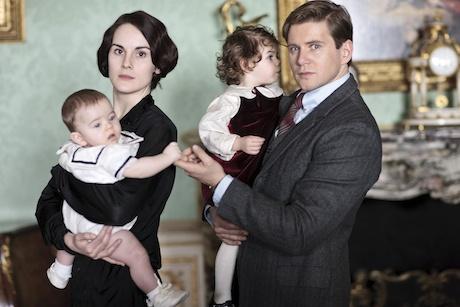
Downton Abbey

The acclaim for Downton Abbey is predicted to boost ad revenue.

The uplift for the 3 months to 30 September has led the broadcaster to forecast that total ad revenue will be up 2 per cent for the entire year.

Non-advertising revenue for the nine month period was also up eleven per cent during period, hitting £810m, because of increased international demand for programmes it has developed and produced which includes Mr Selfridge and Downton Abbey.

The company adds ad revenue was up 8 per cent year on year in October, primarily because of ad spend attracted by flagship programming together with the X-Factor. Ad revenue is anticipated to rise by 4 per cent in November, and by 1 per cent in December.

Adam Crozier, ITV’s chief executive, says: ”The television advertising market is showing signs of improvement, with the intention to benefit the core broadcast business, and we predict to deliver double digit revenue growth in online, pay and interactive.”        

The figures seem to back up a report published last month by the Advertising Association/WARC, which claimed advertising spend hit £8.54bn inside the six months to 30 June and forecasting the arena would grow 3.3 per cent for the entire-year. 

P&G marketing to showcase sustainability efforts

Procter & Gamble plans to “sing” about sustainability because it shifts its marketing focus to speak things which have an actual impact on customers’ lives.

PG

The move comes as portion of P&G’s sustainability update, with its long-term vision to arrive 100 per cent renewable energy and nil waste going to landfill.

Speaking to Marketing Week, P&G’s director of world sustainability, Virginie Helias, said that starts with making sustainability part of innovation, which P&G is targeted directly to drive long-term growth. That’s a vital aspect of the P&G brand, with the firm shifting its marketing focus far from promotions to innovation.

“The holy grail is connecting sustainability with brand equity. If we don’t then it won’t attract our customers,” she said.

P&G is using multiple strategies to speak its sustainability message. Helias said on pack is a crucial medium, with consumers attempting to find information on environmental impact, comparable to whether waste is recyclable.

For other products, sustainability is integrated into advertising, with its cold wash campaign with Ariel running across multiple touchpoints including print, TV and online. Helias believes brands are important in educating consumers and getting them to modify their behaviour.

“Brands could make an education campaign resonate. Our “I prefer 30” campaign was 10 times more powerful since it included Ariel. It creates a link between what consumers buy and the way they behave,” she added.

Helias said it’s also important for P&G to speak its sustainability message since it is the 1st topic its customers desire to discuss after they engage with the logo online. She said that the extent of transparency was increasing dramatically, with the firm having to apply scientists and expert knowledge to reply to customers’ questions.

P&G released its 15th annual sustainability report yesterday (18 November), providing updates on areas including the surroundings, waste and social responsibility. Progress includes transitioning eight of its manufacturing sites within the UK to sending zero waste to landfill, while overall around the region 94.4 per cent of waste by tonnage is recycled.

Globally, the variety of laundry loads washed in cold water rose from 38 per cent to 50 per cent, mainly driven by a rise in Western Europe.

Stella Artois bids to become movie producer

Stella Artois is one among more and more brands trying to take their promotional tie-ups with movie studios beyond traditional product placements inside the hopes of forging creative partnerships through exclusive content.

StellaArtoisInFear-Campaign-460

Stella Artois has helped fund psychological thriller In Fear.

The brewer has just kicked off promotions for psychological thriller “In Fear” following its nationwide release last week (15 November). It’s the latest project to be backed by the Stella Artois bursary programme, launched in partnership with distributor Picturehouse Cinemas last year, to fund feature films from emerging directorial talent.

The film, which follows a tender couple as they wander off within the remote Irish countryside, is being promoted through additional content across Stella Artois’ social media channels as a part of its wider Connoisseurs premiumisation strategy.

Phil Pick, marketing manager for Stella Artois within the UK, says the initiative, which has supported seven releases because it began last April, aims to deliver “standout” film events that may not be delivered via traditional movie tie-ups. It hopes to amplify the brand’s long association with film dating back to 1998 when it all started running adverts during movie programming on Channel 4.

Pick adds: “Activity comparable to our bursary programme enhances the association Stella Artois has with film, and here is something we’re committed to continuing.”

The intention reflects a much broader change in attitude from some brands and film studios exploring alternative models of film financing. The arrival of content marketing alongside the increasingly fragmented media landscape has meant marketers and producers are more willing to work with each other to achieve new audiences.

This year’s Hollywood adaption of F.Scott Fitzgerald’s The nice Gatsby, directed by Baz Luhrmann and starring Leonardo DiCaprio, was rescued by luxury brands including Prada, Tiffany and Moet & Chandon after the film struggled to get off the bottom. All three brands were all in favour of the film’s development process starting from research to prop design. This behind-the-scenes involvement allowed the brands to profit from PR across the film’s stars sporting their products in addition to launch more lavish tie-ins corresponding to a ‘Gatsby Hour’ Moet pop-up bar.

Elsewhere, Heineken took an analogous approach for its activation around last year’s James Bond blockbuster Skyfall, which saw the logo build an international campaign featuring actors Daniel Craig and Bérénice Marlohe appearing content solely created for the logo.

Philip Hughes, an associate who specialises in media brands and technology at commercial law firm Lewis Silkin, says the last word aim for brands is to create alternative marketing models round the content they assist create.

He adds: “Very few deals are built around brands receiving takings from the box office. However, it may happen more someday. Brands are actually battling the prevailing financial structures in film to leverage their financial strength to supply more integrated marketing support.

“Investing in film provides brands with a much better quality off-screen content that’s credible as a chunk of entertainment in preference to purely commercially produced.”

Stella Artois bids to become real movie producer

Stella Artois is considered one of more and more brands seeking to take their promotional tie-ups with movie studios beyond traditional product placements within the hopes of forging creative partnerships through exclusive content.

StellaArtoisInFear-Campaign-460

Stella Artois has helped fund psychological thriller In Fear.

The brewer has just kicked off promotions for psychological thriller “In Fear” following its nationwide release last week (15 November). It’s the latest project to be backed by the Stella Artois bursary programme, launched in partnership with distributor Picturehouse Cinemas last year, to fund feature films from emerging directorial talent.

The film, which follows a tender couple as they wander away within the remote Irish countryside, is being promoted through additional content across Stella Artois’ social media channels as element of its wider Connoisseurs premiumisation strategy.

Phil Pick, marketing manager for Stella Artois within the UK, says the initiative, which has supported seven releases because it began last April, aims to deliver “standout” film events that can not be delivered via traditional movie tie-ups. It hopes to amplify the brand’s long association with film dating back to 1998 when it all started running adverts during movie programming on Channel 4.

Pick adds: “Activity equivalent to our bursary programme enhances the association Stella Artois has with film, and it is something we’re committed to continuing.”

The intention reflects a much wider change in attitude from some brands and film studios exploring alternative models of film financing. The arrival of content marketing alongside the increasingly fragmented media landscape has meant marketers and producers are more willing to work with each other to succeed in new audiences.

This year’s Hollywood adaption of F.Scott Fitzgerald’s The excellent Gatsby, directed by Baz Luhrmann and starring Leonardo DiCaprio, was rescued by luxury brands including Prada, Tiffany and Moet & Chandon after the film struggled to get off the floor. All three brands were keen on the film’s development process starting from research to prop design. This behind-the-scenes involvement allowed the brands to profit from PR round the film’s stars sporting their products in addition to launch more lavish tie-ins including a ‘Gatsby Hour’ Moet pop-up bar.

Elsewhere, Heineken took an identical approach for its activation around last year’s James Bond blockbuster Skyfall, which saw the emblem build a world campaign featuring actors Daniel Craig and Bérénice Marlohe appearing content solely created for the emblem.

Philip Hughes, an associate who specialises in media brands and technology at commercial law firm Lewis Silkin, says the last word aim for brands is to create alternative marketing models across the content they assist create.

He adds: “Very few deals are built around brands receiving takings from the box office. However, it may happen more one day. Brands are actually battling the present financial structures in film to leverage their financial strength to present more integrated marketing support.

“Investing in film provides brands with a far better quality off-screen content it’s credible as a work of entertainment instead of purely commercially produced.”